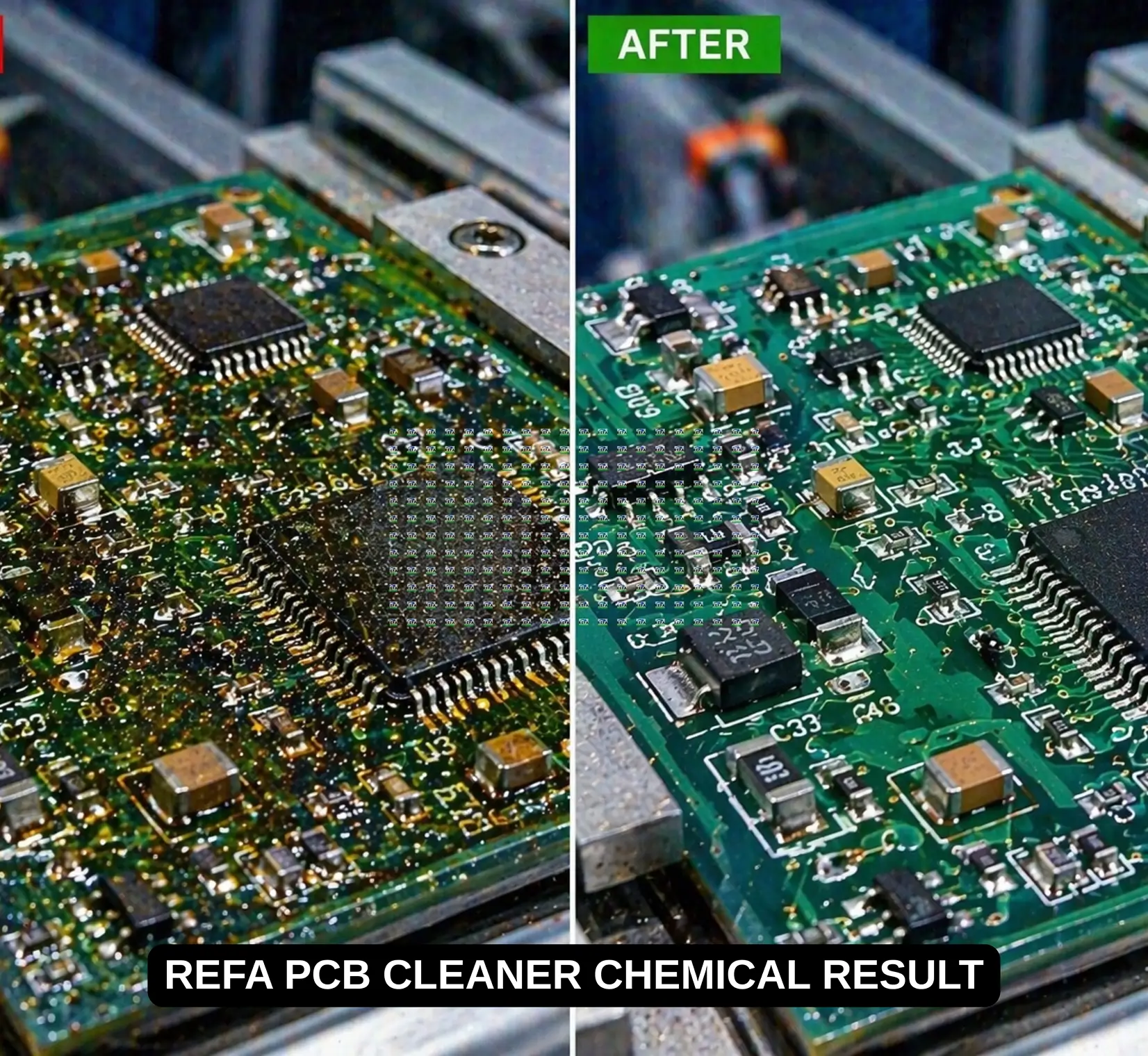
A nearly invisible oil film can become a very visible problem after coating or bonding.
Electronic enclosures, brackets and other manufactured parts can carry lubricant from machining, forming or handling. If that contamination remains, the next operation may begin with a surface that is unsuitable for its purpose.
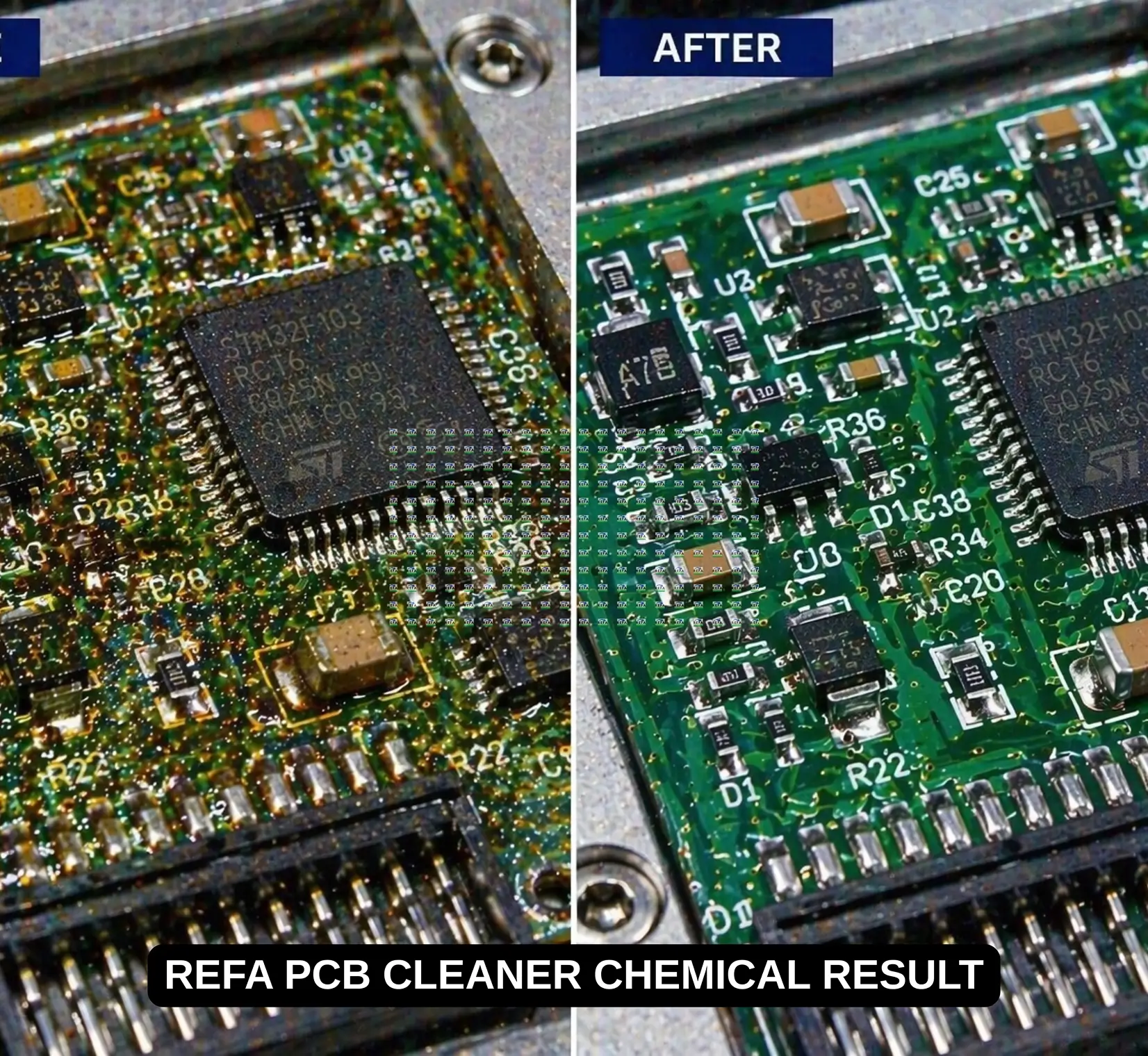
An electronic components degreaser manufacturer helps remove these oils through chemistry matched to the part and the manufacturing process. The aim is a dependable surface condition, not merely the disappearance of visible grease.
Where oily contamination comes from
Different production operations introduce different residues. Cutting fluids, stamping lubricants and handling grease may behave quite differently during cleaning.
A degreaser that performs well on one oil may struggle after the lubricant changes or production loading increases. This explains why cleaning problems can appear even when operators believe they are following the same routine.
Understanding the actual oil is more useful than testing the chemical against an unrelated contaminant chosen for convenience.
Degreasing and electronics cleaning are not identical
Removing lubricant from a bare aluminium housing is different from cleaning flux on an assembled circuit board. The contamination, exposed materials and acceptance requirements change.
The word electronics on a product description should not blur those distinctions. An assembly may contain coatings, plastics or sensitive components that restrict the permitted cleaning method.
A degreaser should be selected for the actual component, rather than the broad industry name.
This helps keep the chemical recommendation connected to the task it must perform.
Why oil removal depends on the complete process
Consider a spray washer that begins leaving a film on previously acceptable parts. The cause could involve oil accumulation in the bath, poor spray coverage or contaminated rinsing water.
Increasing concentration may provide little improvement if the process keeps returning contamination to the surface. Bath maintenance and, where appropriate, oil separation or replacement become part of the solution.
Material compatibility also remains important. Metal alloys, plastic parts and cosmetic finishes need acceptable surface condition after cleaning, not just effective grease removal.
Finally, drying and handling complete the process. A clean part can be contaminated again by oily gloves or a dirty transfer tray before it reaches the next operation.
Following the component beyond the washer helps distinguish a chemistry problem from contamination introduced during storage or movement between workstations on the production floor.
Frequently asked questions
Does fast evaporation mean a degreaser leaves no residue
No. Evaporation describes how a fluid dries. Dissolved oil can remain unless the cleaning method actually removes it from the component.
How should degreasing performance be evaluated
Assess the surface against its intended next use. Visual checks may be useful, but coating, bonding or specified cleanliness requirements can need additional verification under representative process conditions.
How REFA supports electronics component degreasing
REFA Chemical Industries Pvt. Ltd. manufactures industrial metal cleaning and degreasing chemicals for manufacturing applications, including electronics related components.
We begin with the material, lubricant and cleaning method. The next operation also matters because a component entering storage may require a different surface condition from one moving directly to coating or assembly.
If your production team is dealing with persistent oil, inconsistent cleaning or unwanted surface films, share the component and process details with us.
Contact REFA in Greater Noida, Uttar Pradesh, through refachemical.com to discuss a suitable degreasing formulation and evaluate it under your actual manufacturing conditions.