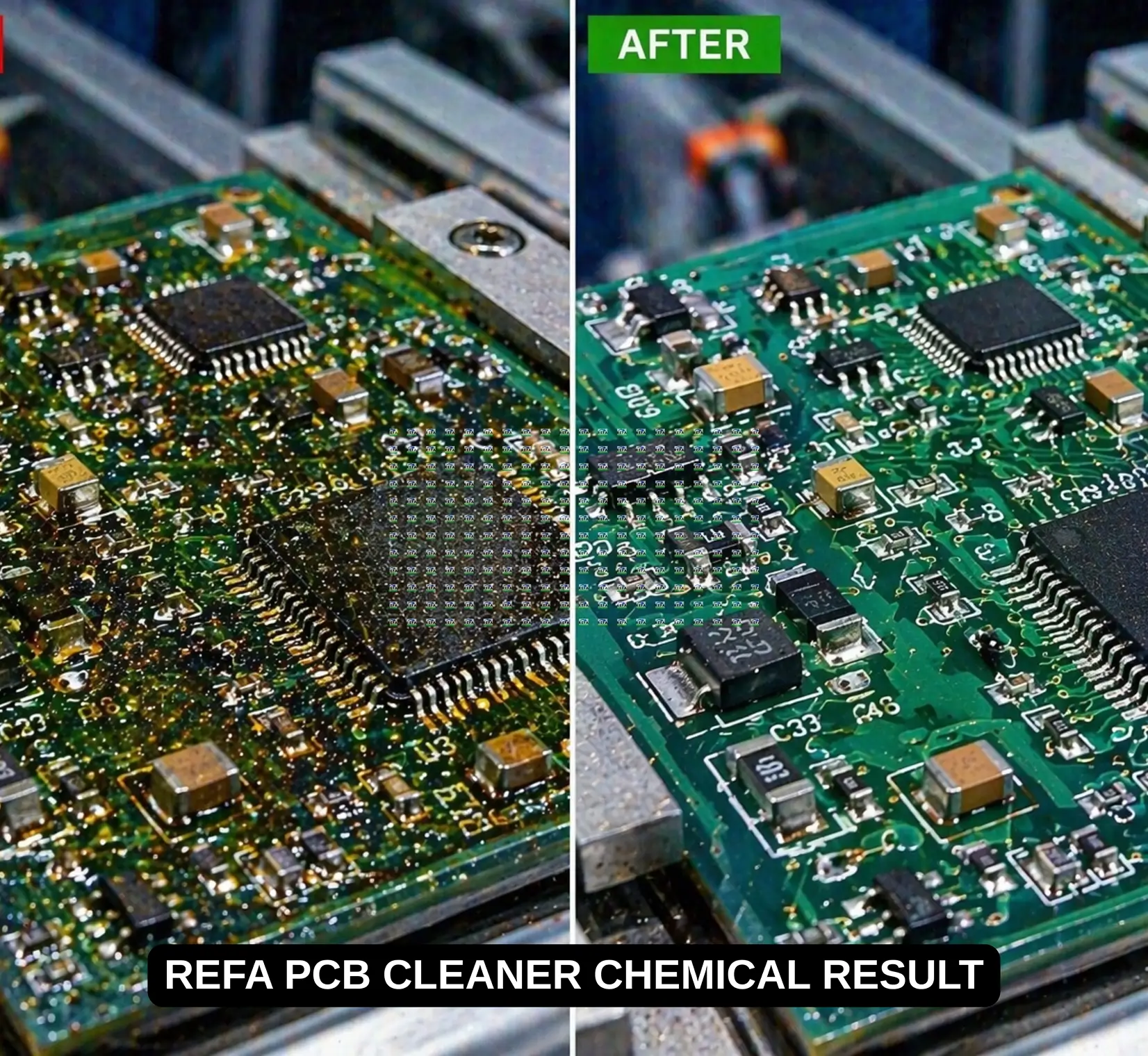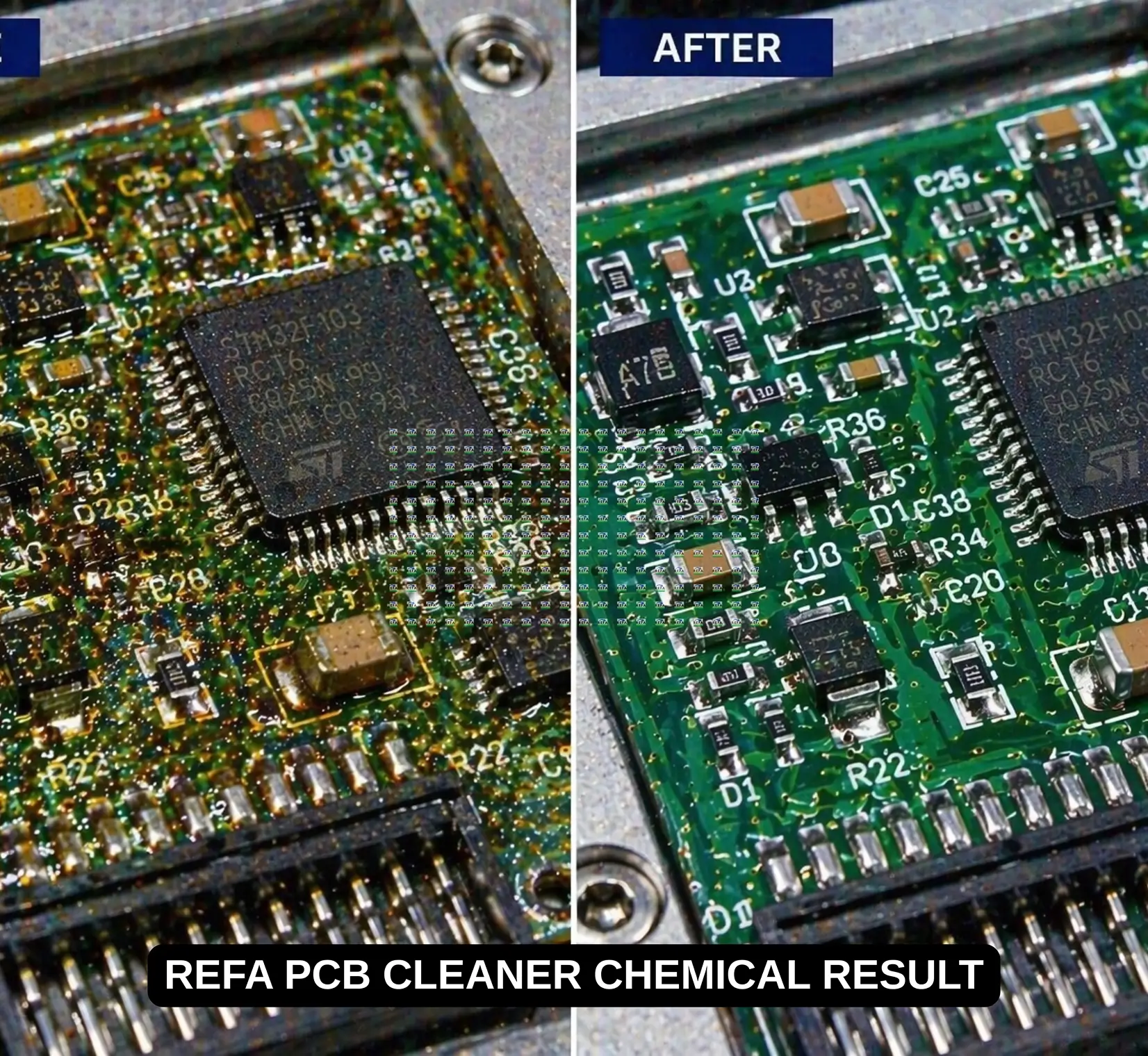
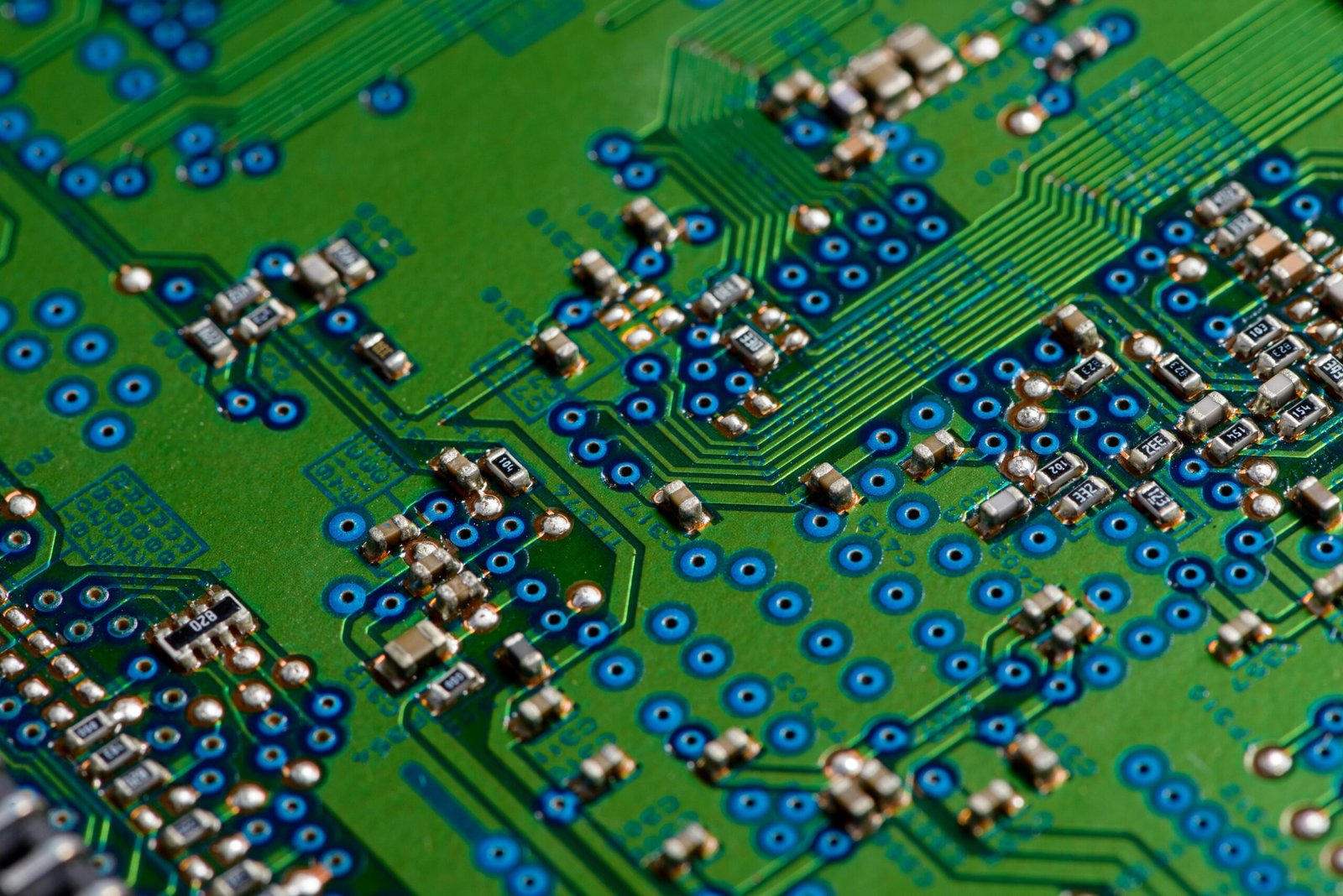
A component can pass visual inspection and still carry contamination that affects the next operation.
An enclosure may retain a thin machining oil film. A moulded part may carry handling residue, while a complex assembly may trap contamination in joints that are difficult to inspect.
An electronic components cleaning chemical manufacturer must consider these differences. Effective cleaning prepares the particular component for its next use, rather than treating every item in an electronics factory as the same job.
What cleanliness means for electronic components
The required result depends on the part and the process. A metal housing before painting may need effective oil removal and a surface suitable for coating. A connector or populated assembly introduces different material and cleanliness considerations.
Some applications focus on particles, others on organic residue or specified electrical cleanliness. These are related concerns, but one test does not necessarily answer every question.
Defining what must be removed is therefore the first step towards deciding how clean the component needs to be.
Why material compatibility matters
Electronics manufacturing combines metals, plastics, elastomers, adhesives and surface coatings. A cleaner that works well on an unassembled metal part may be unsuitable once sensitive materials are added.
Surface appearance can also be important. Removing oil successfully does not justify unacceptable staining, faded markings or damage to a cosmetic finish.
The cleaning process must preserve the features that make the component useful.
That includes considering repeated exposure where parts or fixtures pass through cleaning more than once.
The hidden importance of rinsing and drying
Imagine a housing with internal recesses. Its open faces clean easily, but fluid remains in a narrow cavity. Unless the process removes both the contamination and the retained fluid, the part may leave the washer in an unsuitable condition.
Geometry influences fluid access, drainage and drying. Spray coverage, bath movement and part positioning can therefore change results even when chemical concentration remains unchanged.
Where rinsing is required, rinse quality and contamination loading need attention. Afterwards, clean handling prevents gloves, trays or work surfaces from transferring dirt back onto the component.
A reliable process follows the part through cleaning, drying and its next manufacturing step instead of ending at the washing tank.
That wider view can explain apparent inconsistencies between batches. Parts may leave the washer in similar condition but encounter different storage times, handling practices or transfer containers afterwards.
Frequently asked questions
Are water based cleaning chemicals suitable for electronics manufacturing
They can suit appropriate component applications. Selection depends on material compatibility and a validated process, including any required rinsing and effective drying.
Does a clean looking surface prove the process is effective
No. Visual inspection is useful, but acceptance should reflect the contamination and intended function. Some applications require additional surface, particle or electrical cleanliness evaluation.
How REFA supports component cleaning requirements
At REFA Chemical Industries Pvt. Ltd., our electronics and appliance manufacturing applications include metal and plastic component cleaning and surface preparation before coating or assembly.
We look at the component material, contamination and existing cleaning equipment before discussing a chemical option. Understanding what happens after cleaning helps connect the recommendation to the actual manufacturing requirement.
Share your component details and cleanliness objectives with REFA in Greater Noida, Uttar Pradesh. Visit refachemical.com to discuss suitable cleaning chemistry and an application specific trial.