
A coach can smell freshly cleaned while marks, sticky residue and trapped dirt remain behind.
Passengers experience those details directly: a streaked window, a tacky armrest or a floor that never quite looks clean. For coach care teams, solving them requires more than adding fragrance or using a stronger detergent.
A coach cleaning chemical manufacturer should help connect the surface, the contamination and the cleaning routine, so the result remains practical within the coach turnaround schedule.
Why every coach surface needs consideration
Inside one coach, cleaning teams may encounter glass, stainless steel, coated panels, rubber, plastics and upholstery. The same product will not necessarily behave well on all of them.
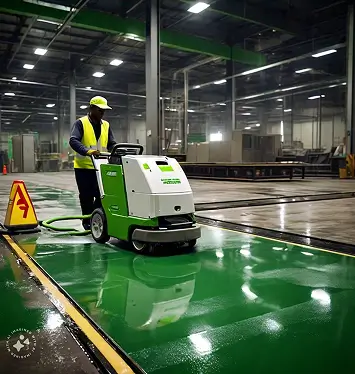
Floor soil may include tracked dust and oily contamination. Seat fabric presents a different challenge because cleaning fluid and loosened dirt can remain within the material. Windows require good soil removal without visible streaking.
These differences explain why using the strongest available cleaner everywhere can create extra work rather than a better result.
What makes routine cleaning effective
The chemical must loosen the contamination at a practical working dilution. It must also leave the surface in an acceptable condition after wiping, rinsing or extraction, as appropriate to the task.
For a floor, an unwanted residual film can be as troublesome as the original dirt. For upholstery, excessive wetting can extend drying time and complicate the return to passenger service.
Good coach cleaning considers what remains after the cleaning team has finished.
Repeated use deserves attention too. A formulation should be assessed for compatibility with the actual finish, particularly on frequently cleaned panels and fittings.
Why the cleaning sequence matters
Consider a coach floor that looks clean after washing but becomes streaked as it dries. The cause might involve excessive dosing, contaminated water or dirty cleaning tools rather than insufficient chemical strength.
Similarly, persistent odour can come from trapped soil or damp material. Repeated perfume application may disguise the symptom without addressing its source.
A clear sequence helps teams work consistently. Separate washroom equipment from tools used around seating, control dilution and replace contaminated cleaning solutions as required by the procedure.
Where disinfection is specified, use a suitable product under its stated conditions. General cleaning and disinfection serve different functions; neither should be inferred from fragrance or foam.
A trial during an actual turnaround can reveal whether the proposed method leaves enough time for drying before passengers return to the coach.
Frequently asked questions
Is more foam a sign of better coach cleaning
No. Foam must suit the cleaning method. Excess foam may make machine operation or rinsing more difficult without improving removal of the actual soil.
How can cleaning costs be assessed fairly
Look at chemical consumption, labour, drying and repeat cleaning per completed task. A lower drum price does not automatically mean a lower operating cost.
How REFA supports coach care applications
At REFA Chemical Industries Pvt. Ltd., our railway cleaning applications include passenger coach sanitation and related facility cleaning. We approach these requirements through the materials and contamination involved in each task.
If your team faces recurring floor residue, difficult marks or inconsistent cleaning results, share the surface details and current procedure with us. A representative trial can help establish the appropriate chemistry and working method.
Contact REFA in Greater Noida, Uttar Pradesh, at refachemical.com to discuss cleaning solutions suited to your coach care operation.